When people think about fitness, they often focus on strength or cardio—but one of the most important (and often overlooked) components of health is balance and stability. These skills play a key role in how we move every day, and improving them can make a big difference in both performance and injury prevention.
At the YMCA Whittier, incorporating balance and stability exercises into your routine can help you build a stronger, more resilient body—no matter your fitness level.
Why Balance Matters
Balance is your ability to control your body’s position, whether you’re standing still or moving. It’s something we rely on constantly—walking, climbing stairs, getting in and out of a chair, or even reaching for something on a shelf.
As we age, balance naturally declines. This can increase the risk of falls and injuries. The good news is that balance is a skill you can improve with practice. Strengthening your stabilizing muscles and improving coordination can help you stay active, independent, and confident in your movements.
The Core Connection
Your core plays a major role in balance and stability. It’s not just about your abs—your core includes muscles in your lower back, hips, and pelvis that work together to support your spine and control movement.
A strong core helps you:
- Maintain proper posture
- Stabilize your body during movement
- Transfer strength between your upper and lower body
When your core is engaged and strong, your balance improves naturally. That’s why many balance exercises also double as core workouts.
Simple Exercises to Get Started
You don’t need complicated equipment to improve your balance. Here are a few simple exercises you can try at the YMCA Whittier or at home:
- Single-Leg Stands:
Stand on one foot while keeping your chest upright. Hold for 20–30 seconds, then switch sides. For an added challenge, try closing your eyes or standing on an unstable surface. - Heel-to-Toe Walk:
Walk in a straight line, placing one foot directly in front of the other. This helps improve coordination and control. - Stability Exercises:
Use a balance pad or BOSU ball (available in many fitness centers) to challenge your stability during squats or light movements. - Planks:
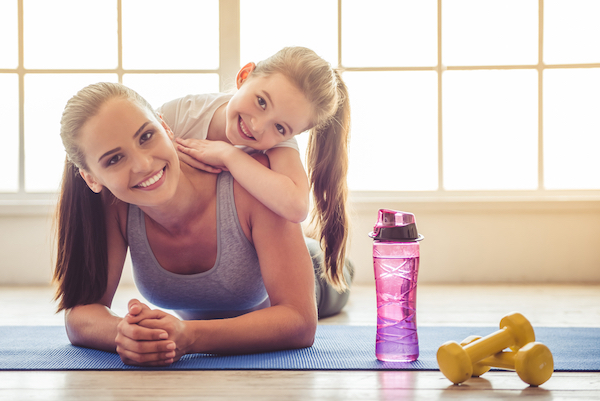
While primarily a core exercise, planks also improve overall stability by training your body to stay controlled and aligned.
Start with short holds and build your way up as your balance improves.
Injury Prevention Benefits
One of the biggest benefits of balance training is injury prevention. When your body is better at stabilizing itself, you’re less likely to lose control during movement. This reduces the risk of falls, strains, and joint injuries.
Improved balance also helps you react more quickly if you trip or lose footing, giving your body a better chance to recover safely.
Athletes use balance training to enhance performance, but it’s just as important for everyday life. From stepping off a curb to carrying groceries, stability helps you move with confidence.
Build a Strong Foundation
Balance and stability may not be the most exciting parts of a workout, but they are essential. By adding just a few minutes of balance-focused exercises to your routine, you can improve coordination, strengthen your core, and protect your body from injury.
Next time you’re at the YMCA Whittier, take a moment to practice your balance. Small improvements can lead to big results—and help you stay strong and steady in everything you do.