
Whoa!
I held an NFC crypto card in my hand and felt something shift. It was light, unassuming, and somehow less intimidating than a cold metal device with a tiny screen. Initially I thought hardware wallets were all bulky dongles or complicated devices that people would tuck away and never touch, but then I realized that usability is the real gating factor for adoption. On one hand security is king, though actually it’s worthless if folks never use the thing because it’s a pain to carry or fiddly to operate.
Seriously?
Yes—seriously, because I’ve seen people lose coins not to hacks but to friction and forgetfulness. My instinct said: design for pockets, not for labs; design for the commuter who juggles a latte and a phone. That means NFC, cards, and a low-friction UX that fits a wallet slot. The card form factor changes behavior, and behavior matters more than theoretical maximum security in many everyday cases.
Hmm…
Okay, so check this out—there’s a class of NFC cards that function as independent hardware wallets and they store private keys in a secure element. I tried one out, and the tap-to-sign moment felt oddly profound because it made a complex cryptographic flow feel as simple as paying at a coffee shop. Initially I worried that simplifying the interface meant compromising protections, but after digging into the architecture I saw that secure elements, tamper-resistance, and well-designed firmware can keep the keys offline while still enabling convenient signing. I’m biased, but this part really appeals to people who want “real” custody without the geek tax, even though purists will scoff.
Here’s the thing.
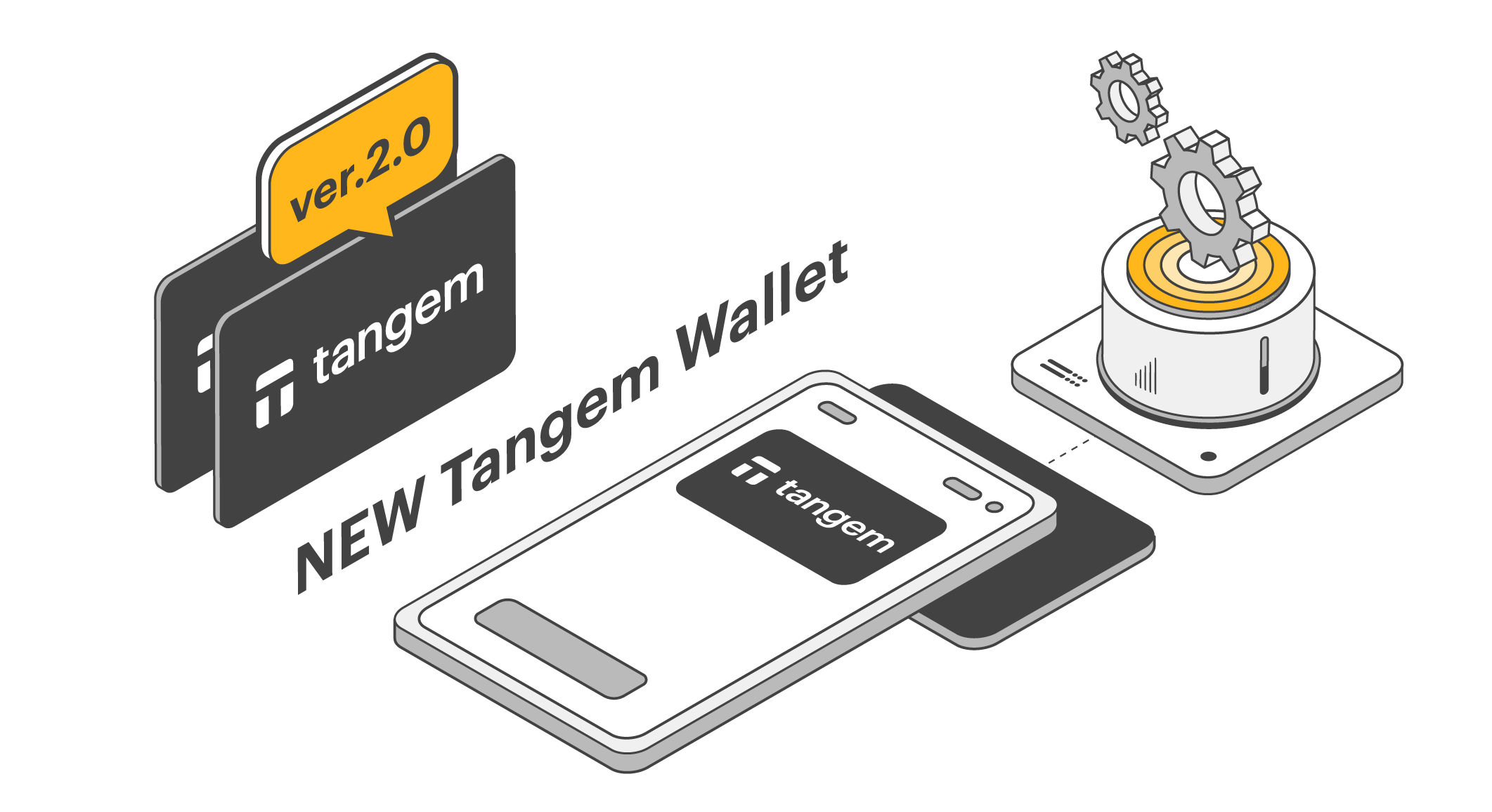
Products like tangem nail that balance by embedding the wallet into a credit-card-sized device with NFC, which reduces user error and removes the need to type long strings or manage removable seeds daily. The card stores private keys in hardware and signs transactions when tapped to a compatible phone or reader, keeping the keys isolated from the internet. On the other hand, there are trade-offs: physical loss becomes a different kind of risk and recovery flows need to be considered carefully, so you still must plan for backups. I’ll be honest—building a mental model for recovery was the trickiest part for me, and that part bugs me because it’s where casual users slip up somethin’ easy.
How the NFC Card Model Changes Everyday Security
Wow!
It reduces touch points: less copying of seed words, fewer QR hops, and no USB cables to fumble. Medium-length instructions can cover most workflows, but the real win is muscle memory—tap, confirm on phone, done. On the flip side, if you lose the card you need a secure recovery plan, and not all users follow through. So while the card lowers operational errors, it raises the stakes for physical custody strategies.
Here’s another nuance.
On one hand the secure element inside an NFC wallet is similar in principle to chip-and-pin cards; on the other hand the firmware and supply chain matter a lot. I initially trusted devices purely on specs, but then I started asking about manufacturing provenance, firmware signing, and open auditability. Actually, wait—let me rephrase that: specs are a starting point, audits and vendor transparency are what tip the balance for me. People ask whether the “air-gap” is real, and the answer depends on how the card enforces isolation and how signatures are requested and displayed during approval.
Hmm…
Another practical thing: convenience changes habits. People who carry a card are more likely to check balances or sign small transactions, which can mean better routine security hygiene, or unfortunately, more temptation to make impulsive moves if they don’t understand fees and gas. This is a behavioral trade-off that device designers must wrestle with. In merchant-heavy countries, NFC tap habits are second nature; here in the US, we’re catching up, and that adoption curve matters. Small UX touches like clear on-device confirmation (even minimal) and companion apps that explain actions in plain language reduce costly mistakes.
Whoa!
Let me give a realistic workflow: you unbox the card, create a wallet, record a recovery option, and then use your phone’s NFC to request signatures whenever you spend or manage assets. The card never exposes the private key and only signs after the phone and card perform a cryptographic handshake. However, “record a recovery option” is where many people stop reading and then regret it later. So build that habit early: a metal seed backup, a trusted custodian, or distributed backups—choose what fits your threat model.
Here’s the thing.
For people who want something stealthy in a normal wallet, card-based wallets beat many traditional hardware devices for day-to-day use. That doesn’t mean they’re a silver bullet; cold storage in a vault or multisig solutions may still be the right move for very large balances. On the other hand, for a primary spending wallet or for onboarding non-technical friends and family, NFC cards are often the sweet spot between security and practicality. I’m not 100% sure every user will like the trade-offs, but many will, and that’s worth noting.
FAQ
Is an NFC card as secure as a Ledger or Trezor?
Short answer: it depends. Longer answer: the underlying secure element and firmware practices are similar, but form factor and user behavior create different risk profiles. Ledger and Trezor show things on-device and support passphrases differently, while NFC cards focus on portability and tap-to-sign convenience. Choose based on whether you’re optimizing for air-gap models, auditability, or everyday use.
What happens if I lose the card?
Recover using whatever backup you set up—usually a seed phrase, Shamir backup shards, or custodial recovery depending on the product. Losing a card is like losing any key: plan ahead and treat the recovery info like gold; store it offline, ideally in a secure, redundant way. And don’t keep the recovery next to the card unless you want very bad days.
Who should consider a card-based NFC wallet?
If you want a low-friction, pocket-friendly hardware wallet for daily use or for bringing crypto to non-technical people, it’s a strong option. If you’re managing institutional funds, big multisig vaults and specialized cold storage remain the go-to. I’m biased toward simplicity for everyday users, but I also respect layered defenses for large holdings.