
Okay, so check this out—I’ve been messing with Solana wallets for years. Wow! The space moves fast and sometimes that speed feels like a blessing and a curse. My instinct said “try Phantom first” early on. Initially I thought it was just another chrome extension, but then it grew into my main way to manage SPL tokens and NFTs.
Seriously? Yeah. Phantom just works most of the time. Short, clean UI. Low friction onboarding. And for people who live in the browser (that’s me) a good extension matters more than you think.
Here’s what bugs me about some wallets though—too many clicks, opaque key management, and onboarding flows that assume everyone already knows web3 jargon. On the other hand Phantom keeps things simple without dumbing them down. My first impression was relief, and then curiosity—how do they balance UX and security so well?
Whoa! I remember installing it on a lazy Sunday. It was easy very very easy. I followed a link from a friend and in five minutes I had a seed phrase saved and a small test transfer done. I got into some dApps that afternoon and felt oddly proud, like I was doing something clandestine but legal.
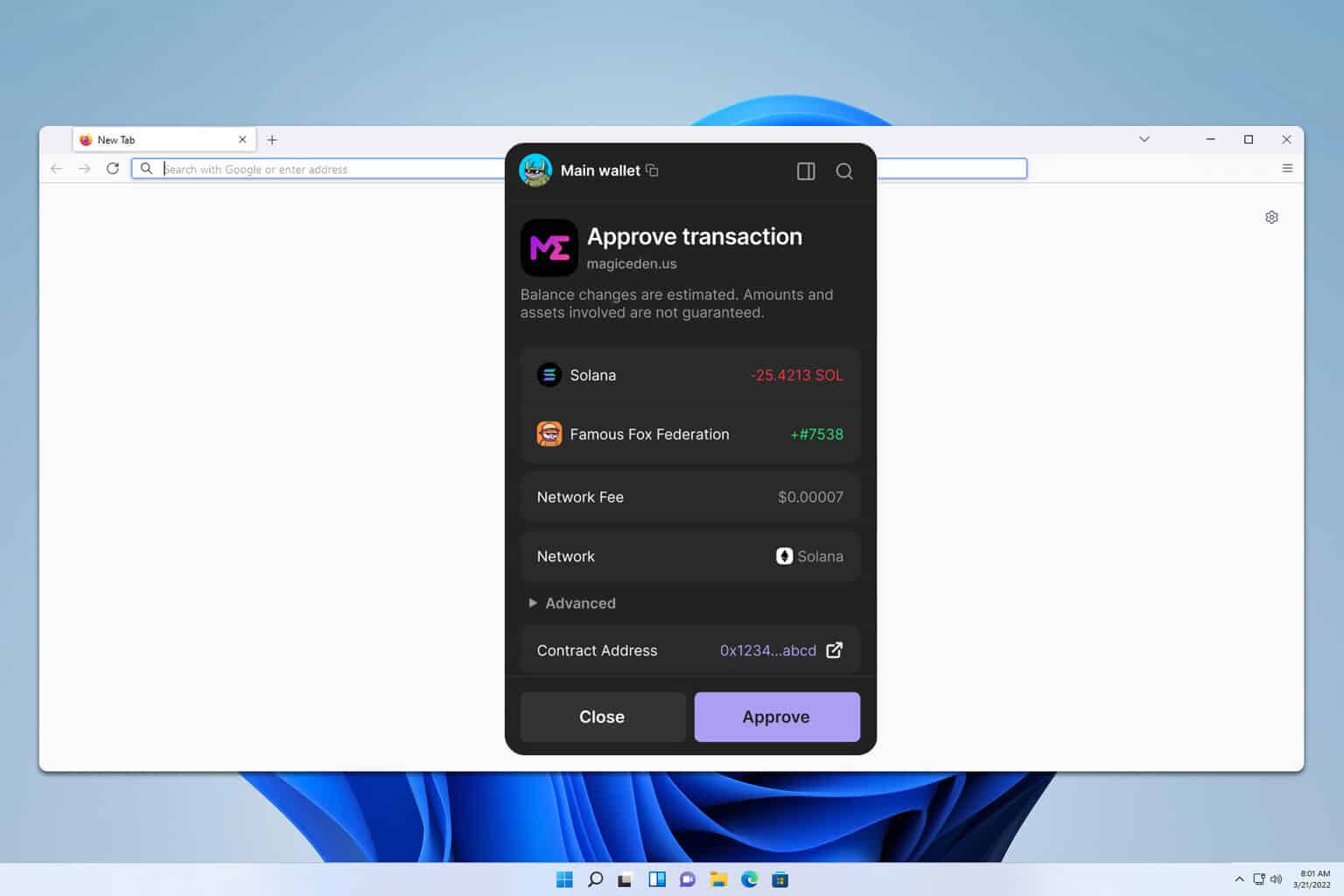
Installing the Phantom Browser Extension
If you want the legit download, grab the phantom wallet from a trusted source. Hmm… my warning radar always starts pinging when people paste random links into chat. So yeah—download from official stores or the recommended page.
Here’s the practical step list I follow. First, pick your browser. Phantom supports Chrome, Edge, Brave, and others that use Chromium. Second, click install and allow the extension. Third, set a strong password for the extension and write down the seed phrase offline (do not screenshot it).
I’ll be honest: I store my primary seed phrase in a fireproof safe at home. I’m biased, I know. For smaller daily funds I use a separate vault or an additional Phantom account so I don’t risk everything on one key. This part bugs me less now, but security habits take time to build.
Something felt off about my first restore attempt. Actually, wait—let me rephrase that: I mistyped a word from the seed and panicked. Then I realized the phrase order is what matters more than spacing. On one hand it’s obvious, though actually when you’re nervous it’s easy to mess up.
Seriously, check the permissions the extension requests. It asks for access to sites you visit in order to interact with dApps. That sounds scary until you remember that browser wallets need to inject a provider into pages. On the other hand, you can lock Phantom, restrict permissions, and clear connection history if needed.
Why Phantom Feels Different
Short answer: thoughtful defaults and a smooth UX. Longer answer: they invest in design and in edge cases. For example, transaction previews show fees and estimated confirmations so you rarely get blindsided. My instinct told me “they get user psychology,” and that matters when people are moving real money.
There’s also the way Phantom integrates NFTs and collectibles with your balance display. That little visual touch makes interacting with Web3 feel less like bookkeeping and more like a personal collection. I’ve been guilty of showing off an on-chain art drop to strangers at coffee shops. Oh, and by the way, support for hardware wallets is a lifesaver if you’re serious about custody.
On a technical note, Phantom talks to Solana RPC nodes and supports multiple RPC providers. That matters because node quality affects transaction reliability. Initially I didn’t care about RPC endpoints, but then I experienced timeouts during cluster congestion and learned to switch endpoints. On the flip side, casual users will never touch that setting—and that’s okay.
Hmm… sometimes they add features before I’m ready for them. Like token staking or token swap integrations inside the extension. It’s convenient, though it also nudges you to trade inside your wallet. Trade-offs everywhere.
FAQ
Is Phantom safe for beginners?
Short version: yes, if you follow basic security practices. Keep your seed offline, use a strong extension password, and verify the download source. Long version: Phantom uses non-custodial key management, which means you control the keys. That control brings responsibility—so don’t reuse passphrases or trust unknown dApps blindly.
Can I use Phantom with hardware wallets?
Yes. Phantom supports hardware wallet integration which is my go-to for larger balances. On the other hand, hardware wallets add friction for day-to-day interactions so many people keep two setups: a hardware-backed main account and a hot wallet for small, everyday tasks. That split helps balance security and convenience.
On balance, Phantom nails the basics while giving room to grow into advanced features. I’m not 100% sure it’s perfect, though it’s the extension I recommend first. Something about the way the app handles conflicts and error messages shows maturity; the team clearly listens to users.
One caveat: be mindful of phishing. Scammers will mimic pops and prompts. If a website asks for your seed or asks you to sign a transaction that you didn’t initiate, stop. Seriously. Disconnect, lock the wallet, and double-check the site URL. My gut says trust but verify, and that rule has saved me from at least one sketchy situation.
Finally, if you’re in the US and used to smooth consumer apps, Phantom will feel familiar. It has a local app cadence—simple menus, clear language, and a few subtle design cues that make the experience less cryptic. Will it solve every problem? No. Will it make your first steps into Solana less scary? Absolutely.
Okay—if you’re ready, give it a try. But do yourself a favor: start small, practice with tiny transfers, and build your security habits before you move big. I’m excited to see where Solana wallets go next. Really excited.