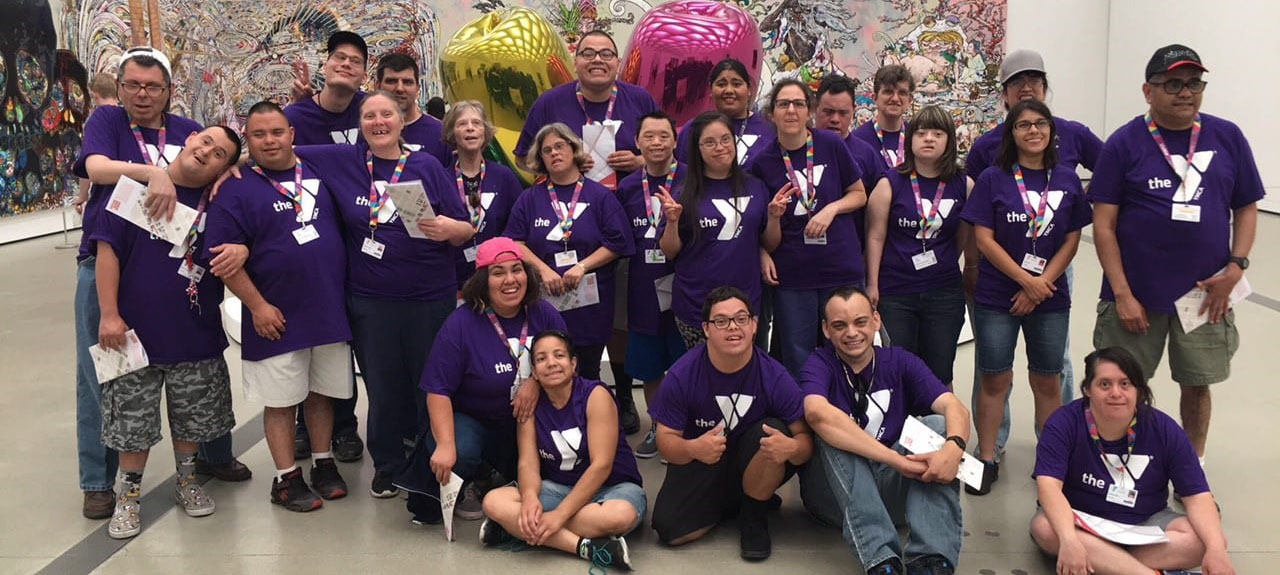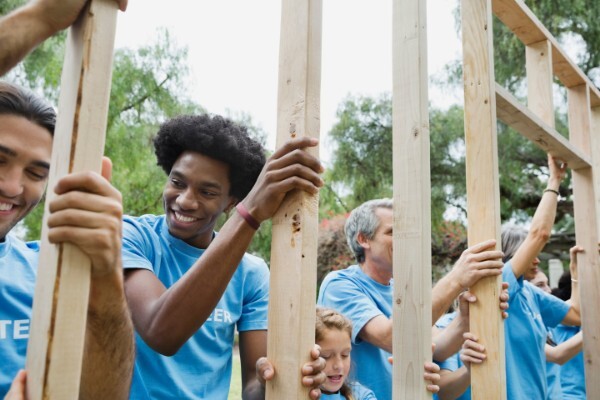
Every fall, something shifts for kids. The lazy rhythm of summer gives way to structure, schedules, and the social energy of being back around peers. For most children, school provides some of that — but for the ones who thrive, there’s usually something else going on too. A team. A coach. A practice they look forward to all week. A sport that gives them somewhere to channel their energy, build their confidence, and belong.
If your child isn’t playing a sport this fall, here’s why that’s worth reconsidering — and why the YMCA of Greater Whittier is the place to start.
1. Sports Teach Life Skills That Classrooms Can’t
There are lessons you learn in a classroom and lessons you only learn on a court or a field. Showing up when you don’t feel like it. Trusting a teammate when the pressure is on. Losing gracefully and winning without arrogance. Pushing through the second half when your legs are telling you to stop.
These aren’t athletic skills. They’re character skills — and they follow children into every room they walk into for the rest of their lives. At the YMCA of Greater Whittier, youth sports programs are built around exactly this understanding. The core values of respect, responsibility, honesty, and caring aren’t just posted on a wall — they’re woven into every practice, every game, and every interaction between coaches and kids.
2. The Y Focuses on Participation, Not Just Performance
One of the biggest reasons parents hesitate to sign their child up for organized sports is fear — fear that their kid will be benched, outmatched, or made to feel like they don’t belong if they’re not already skilled. That’s a legitimate concern in competitive club environments. It is not a concern at the Y.
The YMCA of Greater Whittier’s youth sports programs are designed to accommodate every skill level and every child — from the natural athlete trying a new sport for the first time to the kid who’s never kicked a soccer ball in their life. The emphasis is on positive reinforcement, guided instruction, and personal growth over winning at all costs. Every child gets to play. Every child gets to improve. Every child gets to belong.
3. A Sport for Every Kid
Not every child is drawn to the same game, and the Y’s lineup reflects that. The YMCA of Greater Whittier offers youth sports programs in basketball, soccer, and pickleball — a fast-growing sport that’s become one of the most popular youth activities in Southern California, combining elements of tennis, badminton, and ping pong in a format that’s instantly accessible and genuinely fun for kids of all athletic backgrounds.
Whether your child is a natural competitor, a social kid who just wants to be part of a team, or someone who has never found their sport yet — there’s something on the Y’s roster worth trying this fall.
4. The Physical Benefits Are Just the Beginning
The case for youth sports often starts with physical health — and the benefits are real. Regular athletic activity builds cardiovascular fitness, develops motor skills, improves coordination, and establishes healthy habits that carry into adulthood. In an era of rising childhood obesity and screen-time concerns, getting kids moving in a structured, enjoyable way matters more than ever.
But the mental health benefits are just as significant. Studies consistently show that children who participate in organized sports report lower levels of anxiety and depression, higher self-esteem, better academic performance, and stronger peer relationships than those who don’t. A child with a team and a sport has a social anchor — something that becomes especially valuable during the emotional complexity of the school year.
5. Fall Is the Best Time to Start
There’s no wrong time to sign a child up for their first sport — but fall carries a particular energy. New school year, fresh start, a whole season of games and practices ahead. Kids who join a team in September build relationships and routines that carry them through the rest of the school year. And at the Y, those relationships extend beyond the sport itself — into the broader community of families and staff who show up for each other season after season.