Most people think of the Y as a summer destination. But for thousands of Whittier families, the real magic happens September through June.
There’s a common misconception about the YMCA — that it’s a summer thing. Camp Arbolado, swim lessons, kids’ sports leagues. Great for June, July, and August, but once school starts, you move on.
The families who know the Y best would tell you the opposite is true. For them, September isn’t the end of the Y season — it’s the beginning of the most important one. Because the hours, skills, and relationships that shape a child’s school year don’t happen in a classroom alone. Here are five ways the YMCA of Greater Whittier keeps kids thriving all year long.
1. Reliable Before and After School Care
For working parents, the school year doesn’t solve the child care puzzle — it just changes the shape of it. The hours before the first bell and after the last one still need a plan, and scrambling to cover them week by week takes a toll that compounds over nine months.
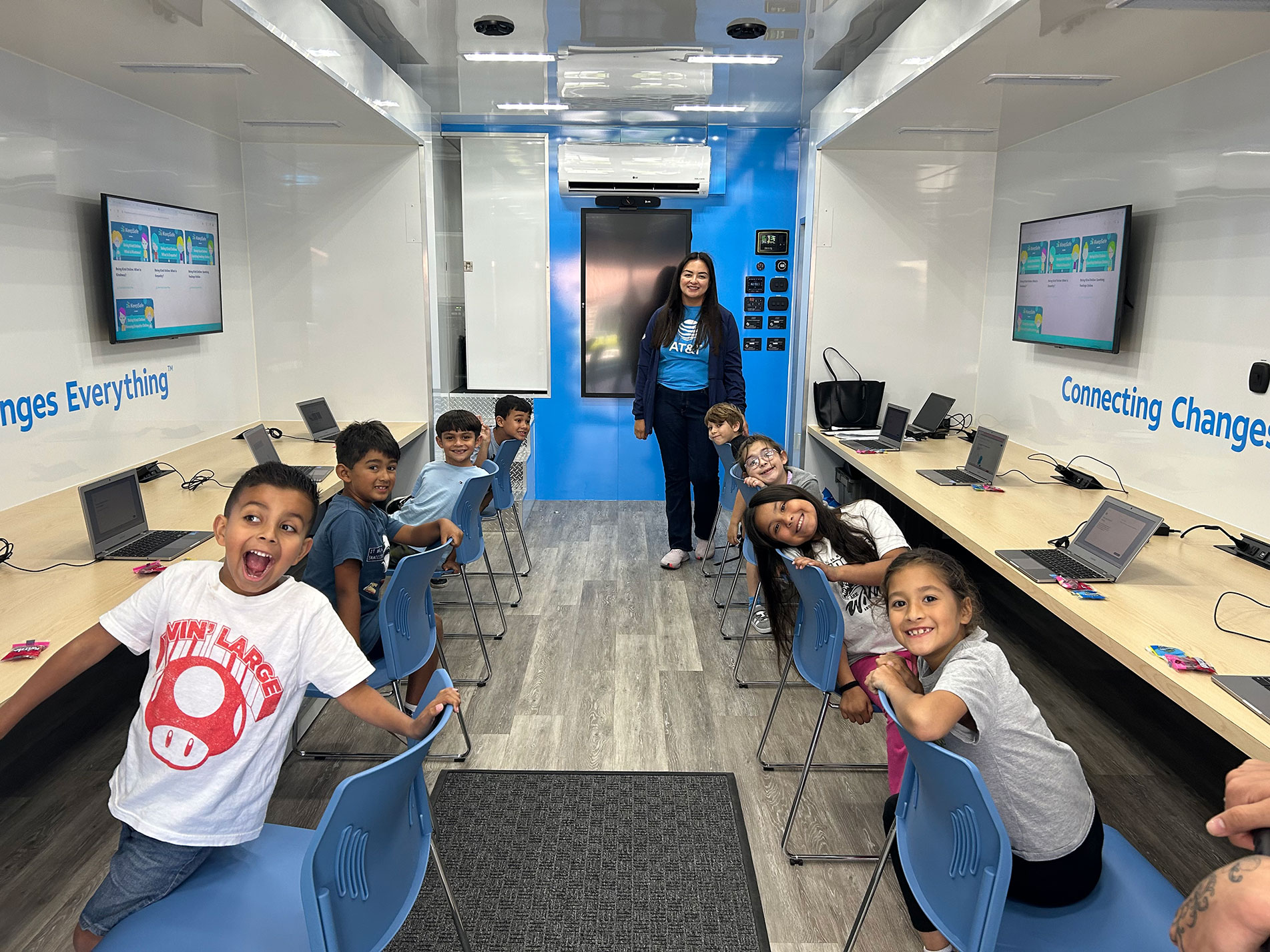
The YMCA of Greater Whittier’s Licensed School Age Childcare program (K–8th grade) gives families the consistency they need. Before school, kids arrive in a calm, structured environment that sets them up for a focused day of learning. After school, they have space to decompress, get homework done with support from trained staff, and engage in enrichment activities that keep them growing beyond the classroom.
It’s not a waiting room. It’s a program — and it runs on the same values of caring, honesty, respect, and responsibility that guide everything the Y does.
2. A Dedicated Space for Middle Schoolers
The middle school years are among the most critical — and the most underserved — in youth development. Tweens are navigating social pressure, identity, and the gap between childhood and independence, often without enough positive adult influence during the hours that matter most.
Club NOW Recreational Enrichment at the YMCA of Greater Whittier exists specifically for this age group. It gives middle schoolers a purposeful, welcoming place to be after school — with structured activities, peer connection, and mentors who show up consistently. For parents of 11- to 14-year-olds, that kind of reliable, values-based environment is genuinely hard to find.
3. Year-Round Swim Lessons That Build Real Skills
Swimming isn’t a summer skill — and the YMCA of Greater Whittier’s aquatics program, now powered by Premier Aquatics, runs year-round for exactly that reason. The perpetual lesson model means kids enroll once and continue building on their progress week after week, month after month, without the disruption of seasonal start-and-stop sessions.
For children still developing water confidence and safety skills, consistency is everything. A child who swims through the fall and winter arrives at next summer a dramatically better and safer swimmer than one who only picks it up in June.
4. Youth Sports That Teach More Than the Game
Fall sports season at the Y is one of the most popular times of year — and for good reason. Youth sports at the YMCA of Greater Whittier aren’t about winning leagues or producing elite athletes. They’re about teaching kids to show up, work as a team, handle both victory and defeat with grace, and build the kind of physical confidence that carries over into every other area of their lives.
In a school year full of academic pressure, having a sport to play and a team to belong to gives kids an outlet — and an identity — that makes everything else more manageable.
5. Programs That Develop Tomorrow’s Leaders
Two of the Y’s most powerful — and most underappreciated — school-year programs are the ones that operate far beyond the gym floor.
The Stride Program has been advocating for self-empowerment and independence among youth and young adults for more than three decades. It gives participants the tools, confidence, and support to advocate for themselves in school, in the community, and eventually in the workforce.
Youth and Government takes things a step further — engaging teens directly in the democratic process through hands-on civic participation. Young people who go through this program don’t just learn how government works. They experience it. They debate, lead, and discover that their voices matter. These are the kinds of programs that don’t just help kids survive the school year — they shape who those kids become.